When I am feeling anxiety from big decisions, busy schedules, and challenging relationships, the first thing I want to do is pick up my guitar and just make some noise. Sometimes I will play every song that I know, and sometimes I will just play one chord over and over again in search of something inside me. If I can connect with a real emotion, I end up producing something totally new - a musical expression that I know is a gift from God.
Music is not the only outlet for this holy creative expression. People experience this type of creation through art, theatre, dance, speeches, poetry and even creative planning. Despite all of these outlets, there is something distinct about experiencing this as a spiritual practice. Creativity becomes a means of expressing your reflections on identity, community, society and God.
A contributor to Totally Radical Muslims wrote a poem reflecting on the personal, communal and religious costs of the war in Iraq. She is able to portray the desolate and desperate situation juxstaposed with the beautiful fragrance of fresh flowers. What can this mean? Is there hope for us in this message? Is God at work in this creative process? How do you experience the creative spirit of God in your life? Is this a spiritual practice for you alone or in community?
Art is a form of expression that can provide healing by returning to the memories of pain in order to understand those feelings and free you from them. This is the story of Carolyn who uses art to help women liberate themselves from the traumatic memories of domestic violence.
Saturday, March 22, 2014


Spiritual Practice: Care of Creation
When I was a child, I would wake up on Saturday mornings to the boisterous songs of my father who got me excited about working in our garden together. I knew it meant going out in the hot sun, getting dirty and working hard, but I associated all of that with the positive feeling I got from caring for creation.
 Twenty years later, I still thrive off of caring for the miracle of creation that we can eat and enjoy! The image above shows the kale harvest from the summer interfaith institute I participated in. We woke up every morning to work in the gardens as a commitment to each other, our community and God. The food we grew fed the many people who visited Stony Point Center. This was a commitment to use what God gave us to grow food without hurting the earth that is actually good for our bodies!
A partnership between Jews and Muslims at the University of Michigan came to Chicago to work with the Inner-City Muslim Action Network on a project that supported local community and the environment. Students spent their spring break supporting the Green ReEntry program in providing a sustainable home for residents in a disconnected community. Something in their faith practice pushed them to pursue this service to community and care for creation in their free time. There is deeper meaning in this service.
In the first creation story of Genesis,God created the earth good and created humanity in God's image - which is also good. What practice are you committed to that empowers you to support God's good creation?
A partnership between Jews and Muslims at the University of Michigan came to Chicago to work with the Inner-City Muslim Action Network on a project that supported local community and the environment. Students spent their spring break supporting the Green ReEntry program in providing a sustainable home for residents in a disconnected community. Something in their faith practice pushed them to pursue this service to community and care for creation in their free time. There is deeper meaning in this service.
In the first creation story of Genesis,God created the earth good and created humanity in God's image - which is also good. What practice are you committed to that empowers you to support God's good creation?
Spiritual Practice: Prayer
One of the noticeable elements of Islam is the call to prayer 5 times a day. When I lived in Kenya, there was a Mosque in my neighborhood, so I knew if it was prayer time just by the sounds of prayer echoing out into the community. That prayer connects you to creation through the ground or the
prayer rug, opens you up to listen to Allah (God), and provides vocabulary to
praise and engage with the divine in three distinct ways: remembrance, ritual and supplication.
Having observed many Friday prayers with Muslim communities here in Chicago and in New York, I am amazed at the unity of the physical body in prayer with the community. I know there are easily recognized differences between certain groups of Muslims in prayer, but the overall act of praying is rather synchronized. It makes me become very aware of the physical nature of our bodies and the eternal nature of God.
Some pray with memorized words. Some pray with new inspiration. Some pray silently. Some pray with an app on their phone. Some pray with a megaphone. Some pray alone. Some pray online. And some pray with the entire community. All of these prayers provide space for reflection and connection with God.
In the Catholic tradition, Contemplative Prayer continues to bring communities together to find a connection to God in the peace and silence of meditation. This youtube clip shows the unique engagement that this practice has on self and community. If God is involved in this practice, what do you think God is doing?
Spiritual Practice: Hospitality
Tonight my girlfriend Abbi and I hosted a friend for dinner in her apartment. This was an intentional act of invitation to relationship. The preparations for this event included cleaning the apartment, buying ingredients, preparing a meal, setting the table and welcoming our guest. I can’t say that this process was particularly holy for me, but as I reflect on it, all these practices were an intentional part of Shabbat that I learned from my Jewish friends in the Interfaith Summer Institute.
During the summer institute, we hosted dinners on Saturday evenings to celebrate the end of the Jewish Shabbat (or Sabbath). The entire community came together to clean our house and our own bodies to create a holy space of celebration. The meal we prepared was open to everyone, no matter their beliefs or identity, and we opened and closed the meal with sacred words and songs giving praise to God.

The meal that Abbi and I had with our neighbor created a holy space for our relationship. We opened the meal with prayer followed by a conversation about the vegan chili and cornbread. The safety of the dinner table allowed us to dig into our own personal narratives. Why am I here in seminary? What do I feel God calling me towards in ministry? These stories led us to ask more challenging questions about how our stories could come together during our time here. I could feel the Holy Spirit at work in our words, bringing us closer together and more emboldened in the work of Christian Community. The Spiritual Leadership Institute puts meal time at the heart of developing community.
During the Interfaith Social Justice Dialogue meeting this week at UIC, we all contributed to develop a concept of what home means. We started by thinking about the people who were a part of the experience of home for us. Then someone added that home was a place where we can invite people in - to share our true selves. This is a place where the collections and decorations all say something about you. In the deepest understanding of this place we call home, we know we can be all of who we are, even if it doesn't make sense.
Having a home is a basic human need that provides space for rest, security and renewal. Opening this sacred space to outsiders is a spiritual practice that takes risk and humility but often leads to new understanding of self and the other.
Life giving relationships are formed in the kitchen. Is this a spiritual practice for you? How does your religious community engage in hospitality?
During the summer institute, we hosted dinners on Saturday evenings to celebrate the end of the Jewish Shabbat (or Sabbath). The entire community came together to clean our house and our own bodies to create a holy space of celebration. The meal we prepared was open to everyone, no matter their beliefs or identity, and we opened and closed the meal with sacred words and songs giving praise to God.
The meal that Abbi and I had with our neighbor created a holy space for our relationship. We opened the meal with prayer followed by a conversation about the vegan chili and cornbread. The safety of the dinner table allowed us to dig into our own personal narratives. Why am I here in seminary? What do I feel God calling me towards in ministry? These stories led us to ask more challenging questions about how our stories could come together during our time here. I could feel the Holy Spirit at work in our words, bringing us closer together and more emboldened in the work of Christian Community. The Spiritual Leadership Institute puts meal time at the heart of developing community.
During the Interfaith Social Justice Dialogue meeting this week at UIC, we all contributed to develop a concept of what home means. We started by thinking about the people who were a part of the experience of home for us. Then someone added that home was a place where we can invite people in - to share our true selves. This is a place where the collections and decorations all say something about you. In the deepest understanding of this place we call home, we know we can be all of who we are, even if it doesn't make sense.
Having a home is a basic human need that provides space for rest, security and renewal. Opening this sacred space to outsiders is a spiritual practice that takes risk and humility but often leads to new understanding of self and the other.
Life giving relationships are formed in the kitchen. Is this a spiritual practice for you? How does your religious community engage in hospitality?
Friday, March 21, 2014
Inter-Religious Spiritual Practice
Today I am hoping to spark discussion about how youth and young adults can engage in spiritual practices in their tradition that provide meaning, direction, space for community, and a connection to God or a higher power. As a child, I participated in the religious tradition of my family because my parents provided a connection for me, but at some point I began to choose what practices I would continue in my life and explore religion and meaning making on my own. This seems to be a common thread across many religions. So what makes a practice a spiritual practice? Are there certain practices required to be considered a member of your religion? How do practice and belief interact?
I come from a Presbyterian (PCUSA) community in Indianapolis, but through experiences of interreligious community at StonyPoint Center in New York and at the University of Illinois at Chicago, I have found that religious or spiritual practices are an important part of staying connected to God, community and identity for many religious people. Rabia Harris, a Muslim Chaplain involved in the Stony Point interfaith summer institute I participated in, explained that spiritual practices are the business of waking up: becoming awake to the divine spirit inside us and awake to the world around us.
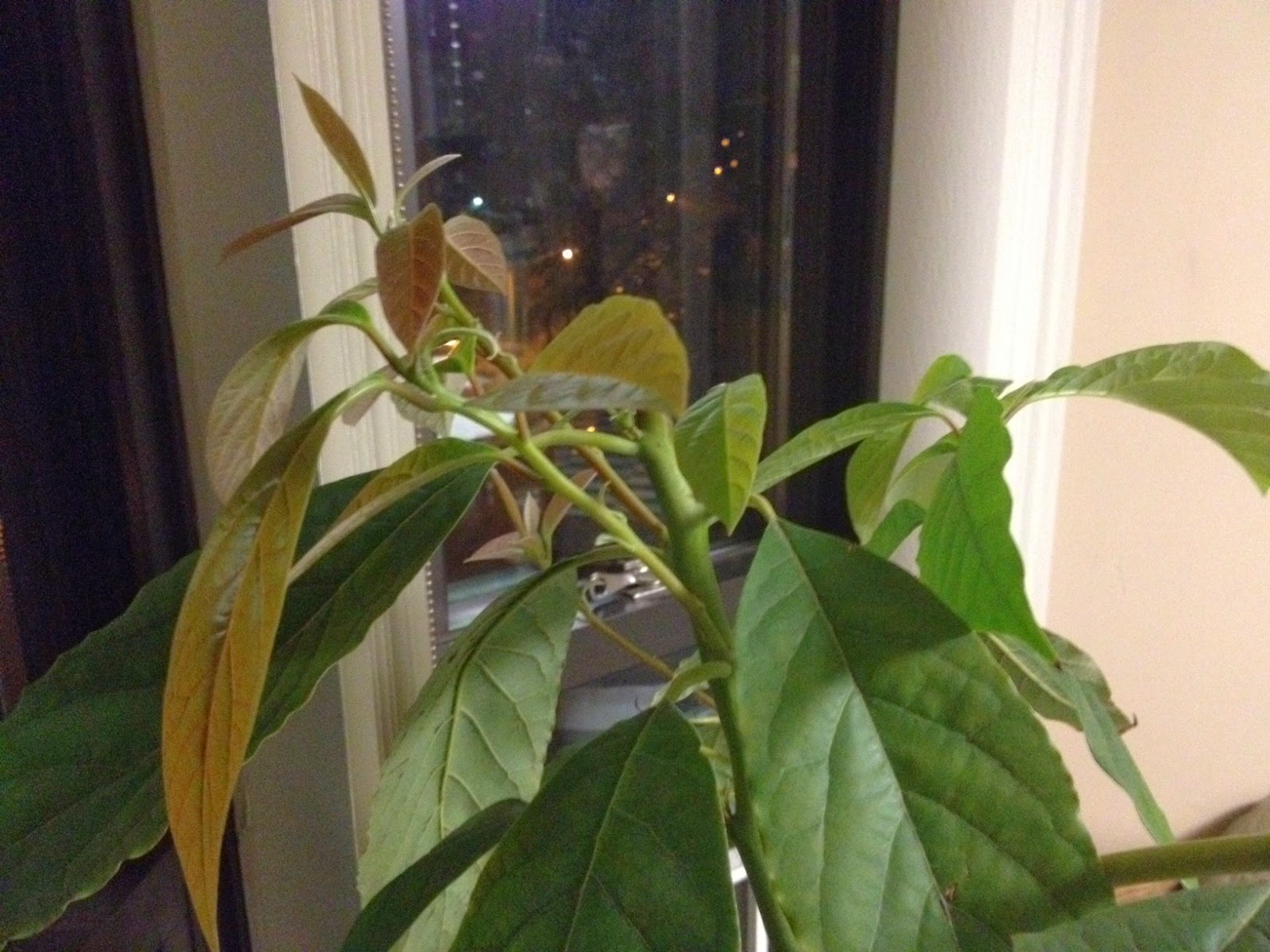
I find rest and renewal when I pay attention to my avocado tree that lives in my living room. By taking time away from my task oriented life, I am amazed again and again at the brilliant details of creation found in the veins of each leaf and the character of each branch as it twists and turns in search of its source of life, the sun. This is where I reflect on my day and redirect the messages of "not enough" that I receive from society and instead focus on God's message that I am created in God's image and therefore am enough to live and serve on this earth. Seeing the daily progress of this plant growing gives me hope that I too can grow and turn toward the image of God in my actions and identity.
What do you consider a spiritual practice for yourself? Is there something that deeply connects you to God, allows you to reflect, or expands your view of creation? How do you care for your spirit?
I come from a Presbyterian (PCUSA) community in Indianapolis, but through experiences of interreligious community at StonyPoint Center in New York and at the University of Illinois at Chicago, I have found that religious or spiritual practices are an important part of staying connected to God, community and identity for many religious people. Rabia Harris, a Muslim Chaplain involved in the Stony Point interfaith summer institute I participated in, explained that spiritual practices are the business of waking up: becoming awake to the divine spirit inside us and awake to the world around us.
Unlimiting Practice
Kasey Hitt argues in her article Juggling and other Spiritual Practices for a Workaholic that in our high stress work oriented society, religious practices should provide a time to lay down the doing mentality and focus on caring for our spiritual needs including rest and play. Writing poetry, juggling and centering prayer became her outlets for rest and play that connected Hitt to the divine. These practices don't have to be something that you consider work. Although you may continue to work at engaging God in the practice, the main focus of a religious practice for me is to provide a sacred space for reflection. Our busy lives come in direct conflict with spiritual practices because it gives value to rest and provides time for renewal.I find rest and renewal when I pay attention to my avocado tree that lives in my living room. By taking time away from my task oriented life, I am amazed again and again at the brilliant details of creation found in the veins of each leaf and the character of each branch as it twists and turns in search of its source of life, the sun. This is where I reflect on my day and redirect the messages of "not enough" that I receive from society and instead focus on God's message that I am created in God's image and therefore am enough to live and serve on this earth. Seeing the daily progress of this plant growing gives me hope that I too can grow and turn toward the image of God in my actions and identity.
What do you consider a spiritual practice for yourself? Is there something that deeply connects you to God, allows you to reflect, or expands your view of creation? How do you care for your spirit?
Friday, October 25, 2013
Flying to Korea: hoping for transformation
I am sitting in my airplane seat as we wait to taxi while the flight crew tries to coral passengers that ran off when a false four hour delay was announced! I am on the same flight with Joanna Hipp from Louisville Seminary and hope to get to know her better during the conference:)

I have been reflecting on my preparation for this global conference for the World Council of Churches and realize how little I have done to be ready to be with this group of global Christian leaders this week. I did not read all of the "Ecumenical Visions" book that I was assigned to present on this week. I did not practice Korean greetings and social language skills. I did not bring small North American gifts to share with people I meet. I did not read all the intro papers of the other students in my small group. I did not spend a lot of time dreaming about what this conference will be for me. I think this is partly a reflection of my busy seminary student life and partly due to my normative USA dominant culture mentality - that people should know about me and I shouldn't have to work hard to really know others.
I wrote about listening to other voices in my application essay for the Global Ecumenical Theological Institute that I am attending with the conference. I charish real friendships with people from other contexts that I can learn and grow with through honest dialogue. I believe the WCC is designed to provide space for this type of relationship. My lack of preparation makes me wonder if I can really commit to this type of relationship that requires so much background knowledge and language skill just to communicate with others.
The language used at the conference will be primarily English, but everyone there will have another more personal way of communicating that can only be expressed to those who have a deeper personal connection. I hope to form deeper connections with some of the people I meet in the next three weeks. I hope to commit to life long friendships that can make me a better follower of Christ in this world.
The structural violence in the world can be hard to see from the privileged - white middle class Presbyterian Church USA - position I come from. I am blinded by the security of empire. I need other ways of seeing the world. I hope to find other ways of seeing during this conference. I hope the life changing opportunity that I step into when exiting this plane will allow me to further commit to God's will of love and justice through nonviolent action.
God, please allow the way I am to be enough to continue on this journey. Help my body adjust to the jet lag that stands between me and my new friends. And provide me the strength and wisdom to be transformed by your Holy Spirit in this holy space of worship and devotion to You.
Thursday, August 8, 2013
Building Heaven from Hell
This morning was a welcome extension of our five day vacation from the scheduled visit to Turbo, the coastal port city that was the first settled town in this area when the Spanish arrived over 400 years ago. We cancelled that visit when I got an infection in my lungs and needed time to recuperate.


My growing cabin fever waned as we prepared to travel to Currulao, a town of around 11,000 people on the outskirts of Turbo. The pastor was scheduled to meet us at our apartment in Apartadó at 10:00am, and I was expecting 10:00am because the people taking care of us have kept a very disciplined schedule despite certain stereotypes that would suggest otherwise. In any case, we rested while waiting for him until 11:30 when he arrived to accompany us on the bus back to his church in Currulao.
I have really appreciated Pastor Dagoberto's attitude toward us. He treated us like regular people that he would travel with. We didn't really talk much on the bus or on the walk to his church, so I had time to soak in the surroundings.
We jumped off the bus after passing through the center of Currulao. There were a few small shops and a dry creek bed there. We walked down a sandy dirt road that was part of an organized street grid. Two of the four major public schools were along this street. Several blocks later we arrived at a large concrete church building. Right behind this "templo" was the pastor's house.
We sat down our bags and greeted his wife and grandson, then Degoberto gave us a tour of the new church. It dwarfed the house and the old templo that still sat on the opposite side of the house. The new building was built on five regular lots combined. It was made of concrete and brick with a strong roof supported by thick timbers. It had a large stage in front and enough room for many more than the 150 members (which is already a large congregation for the region). It even has a separate building for bathrooms and a kitchen!
Pastor Degoberto explained how he has been teaching his congregation that they do not have to live like displaced people even though they are displaced. He has been the pastor in this congregation for six years and in that time the community has developed fundraisers to build this new building and embrace new members.
After the building tour, the pastor took us around the corner and down the next street to a small house. At the door we were greeted by an elderly woman named Manuela. Her eyes greeted me as if we were long lost friends. I immediately felt welcome in a way I have not yet experienced in Colombia where I lack the language skills to communicate on a deeper level.
Lora and I sat down with Manuela at her kitchen table and after one miscommunication I asked when she had moved to Currulao. Lora translated a long life story that involved meeting her husband, moving to Choco (a more remote region) to make a living by building up a successful farm and then eventually fleeing that land when the guerrilla army threatened to take their lives. They had lived their for twenty years and raised their children on that land. Then, after experiencing the escalating violence, they left quickly with nothing but their youngest daughter.
They left in 1997 and spent several years migrating before settling here in Currulao. They had to live in a plastic shelter with six other families for several years while Manuela washed clothes for work - bringing the meals they provided her at work home to feed the whole family. Her husband worked on the banana plantations. They effectively went from successful land owners to poor industry laborers (one of the goals of the US war on drugs stated by embassy staff in Colombia is to push farmers off their land to become cheep labor for corporate enterprise).
They had been part of the Presbyterian church in Choco and joined the small church here in Currulao when they got here. Manuela is the essence of Pastor Degoberto's message that one does not need to live according to the identity of a displaced person. After telling this difficult story, she still looks at me with her piercing dark eyes that seem to smile back at me.
This is where I really see the power of Jesus Christ at work. Her life did not become ruled by the trauma she experienced by being violently displaced. Instead, the trauma became a new reason to join together in community to support and love one another. She rejected the hell that was displacement and started again to build heaven on earth in her church community. This heavenly community is fertile ground for liberation from oppression and suffering.
It is hard to connect with other people without words, but Manuela seems to really understand the human connection and has celebrated our lives here in Currulao. Even without knowing her story, I would still be forever connected with her if just through her eyes.
Subscribe to:
Posts (Atom)